
November 10, 2026
Abraham, Melchizedek, and the Meaning of Priesthood
By Dr. Daniel S. Carrera
Some of Scripture’s most significant encounters occupy only a few verses. Abraham’s meeting with Melchizedek is one of them. What appears to be a brief exchange following a military victory becomes an important foundation for understanding the priesthood of Jesus Christ. This encounter invites believers to consider where blessing comes from, how we approach God, and what faithful spiritual service looks like.
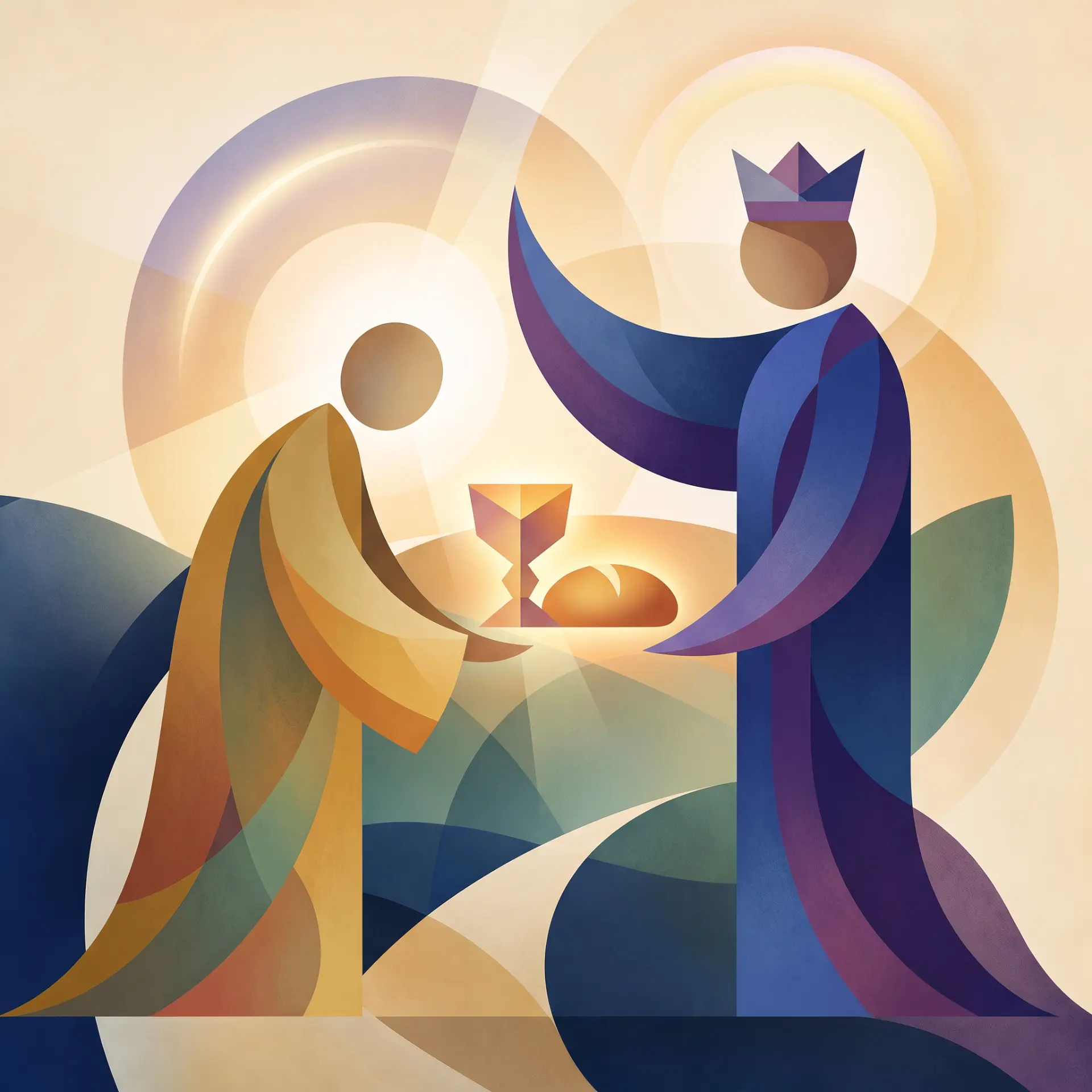
In Genesis 14, Abraham, still called Abram, returns from rescuing his nephew Lot and recovering people and possessions taken captive. Melchizedek, king of Salem and priest of God Most High, meets him with bread and wine. He blesses Abram and praises God for delivering his enemies into his hands. Abram then gives him a tenth of everything, which Hebrews identifies as the spoils of battle. The encounter directs attention beyond Abraham’s achievement to the God who made his victory possible.
This offers a meaningful lesson for Christians today. Accomplishment can tempt us to become absorbed in our own ability, influence, or preparation. Melchizedek’s blessing reminds us to acknowledge God in the victories we celebrate. Gratitude helps keep success from becoming pride. Abraham’s response also illustrates that even a person who carries God’s promises can receive blessing through someone else’s ministry.
Melchizedek is unusual because he serves as both king and priest. Hebrews 7:2 explains his name in terms of righteousness and associates his kingship over Salem with peace. These descriptions become part of the biblical pattern through which Hebrews presents Christ.
Christians should also read the bread and wine carefully. Although these elements may remind us of the Lord’s Supper, Genesis does not explicitly describe this encounter as a Communion service.
Abraham’s gift deserves similar care. His tenth predates the Mosaic law, but Genesis records a particular encounter rather than issuing a direct command to every Christian. In Hebrews 7, the gift chiefly contributes to the argument about Melchizedek’s greatness and the significance of his priesthood. Believers can draw lessons about gratitude and honoring God without overlooking the passage’s central purpose.
The story becomes even more significant in Psalm 110:4, where God declares a priesthood associated with Melchizedek that endures forever. Hebrews applies this promise to Jesus. Christ’s priesthood does not depend on descent from Aaron. Jesus comes from Judah, and His priestly appointment rests on God’s oath and the power of His enduring life. The emphasis moves from the qualifications of a temporary office to the permanence of the living Savior.
Hebrews 7:3 describes Melchizedek without recorded parentage, genealogy, or the beginning and end of his life. Christians have interpreted this language differently. Some understand him as an appearance of Christ before the incarnation. Another widely held reading understands the absence of these details in Genesis as a literary pattern pointing toward Christ’s eternal priesthood. The passage describes Melchizedek as resembling the Son of God. We should therefore distinguish the text’s explicit statements from conclusions about his identity.
The central message does not depend on resolving every mystery surrounding Melchizedek. Hebrews directs our confidence toward Jesus Christ. Earlier priests faced the limitations of mortality, but Jesus continues forever. He offered Himself for sins and lives to intercede for those who approach God through Him. His priesthood provides the lasting assurance toward which the earlier pattern points.
What, then, does priesthood mean? Within Israel’s covenant life, priests served in worship, sacrifice, instruction, and matters of holiness. Their ministry expressed the seriousness of approaching a holy God. Hebrews presents Jesus as the High Priest who brings His people into a secure relationship with God through His own sacrifice. Our confidence rests in His sufficient work and continuing care.
That truth has practical importance. Believers often approach prayer carrying guilt, disappointment, or the fear that God has grown weary of them. Christ’s priesthood encourages us to draw near with humility and confidence. Hebrews 4:14–16 presents Him as a High Priest who understands human weakness while remaining without sin. We come seeking mercy because our access rests on His faithfulness.
Priesthood also shapes how Christians understand their calling. First Peter 2:5, 9 describes believers together as a holy and royal priesthood. Christian traditions differ in how they describe ordained priestly ministry, but this passage gives the whole believing community a vocation of worship and witness. Through Christ, our lives can become offerings of praise, service, generosity, and obedience.
For pastors and ministry leaders, this means spiritual authority should direct people toward God. Leadership should cultivate dependence on Christ, encourage maturity, and serve with integrity.
For every believer, it means ordinary acts of faithfulness matter: praying for a neighbor, caring for someone in distress, speaking truth graciously, and giving generously.
Abraham’s encounter with Melchizedek ultimately leads us toward a greater appreciation of Jesus. Abraham receives a blessing, Melchizedek serves as king and priest, and Hebrews reveals the lasting significance of that pattern in Christ. The invitation for believers today is to acknowledge God’s goodness, trust the Savior’s intercession, and live faithfully in His presence.
Because Jesus remains our High Priest, we can draw near to God with confidence and serve others with humility.
Scriptures for further study: Genesis 14:17–24; Psalm 110:4; Hebrews 4:14–16; Hebrews 7; I Peter 2:5–9.